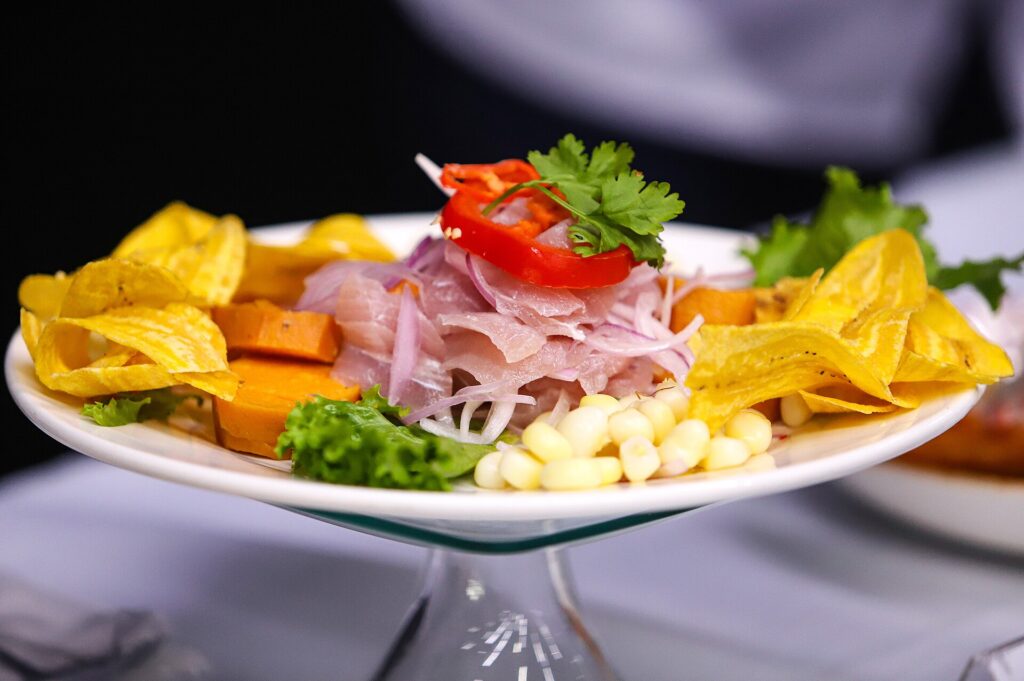
The first rule of any what to eat in Lima, Peru food guide is simple: eat ceviche at lunch. After that, work through the rest of the city’s table. Order causa and ají de gallina at a criollo restaurant, grilled anticuchos in the evening, lomo saltado or arroz chaufa at a chifa, and pollo a la brasa when you want something cheap and filling, then finish with picarones, a pisco sour and a glass of chicha morada. If you can afford one blowout, book a tasting menu at one of the restaurants that made Lima famous, well before you fly.
This guide is for first-time visitors who want to eat well without wasting a meal: what each dish is, when Limeños eat it, what it costs and where to find it. The caveat that catches most visitors is timing. Ceviche is a lunch dish, many cevicherías close by late afternoon, and the most famous restaurants book up weeks ahead, especially around November 4, 2026, when the World’s 50 Best Restaurants ceremony comes to Lima. Dish descriptions, rankings, addresses and opening details were checked on September 24, 2026, against PROMPERÚ’s own website and the restaurants’ and award organizers’ pages.
On this page: At a glance · Why Lima eats like this · The dishes · Ordering ceviche · When to eat what · Costs · Eating on a budget · Where to eat by area · Three-day eating plan · Tasting menus · Markets and street food · How to order · Dietary needs · Mistakes to avoid · Fitting food into your days · FAQ
What to Eat in Lima at a Glance
Descriptions follow PROMPERÚ’s own account of Lima’s cuisine where it gives one. “When” is when Limeños usually eat it, and “where” is the kind of place that does it best.
| Dish | What it is | When | Where | Order it if |
|---|---|---|---|---|
| Ceviche | Raw white fish cured in lime with onion and chili, with sweet potato and corn | Lunch | A cevichería | You eat one thing in Lima |
| Tiradito | Sliced raw fish in a citrus and chili sauce, without the onion | Lunch | A cevichería or Nikkei restaurant | You find raw onion too sharp |
| Causa limeña | Chilled layers of yellow potato purée filled with chicken, seafood or avocado | Lunch starter | Criollo restaurants, cevicherías | You want a light, cold starter |
| Ají de gallina | Shredded chicken in a creamy sauce of yellow chili, milk and bread | Lunch | Criollo restaurants, set lunches | You like mild, creamy stews |
| Lomo saltado | Beef stir-fried with onion, tomato and chili in soy sauce, with fries and rice | Lunch or dinner | Criollo restaurants, chifas | You want the safest crowd-pleaser |
| Arroz chaufa | Fried rice with soy sauce, chicken or pork, egg and green onion | Lunch or dinner | A chifa | You want to taste Lima’s Chinese side |
| Anticuchos | Skewered beef heart grilled over charcoal | Evening | Street grills, anticucherías | You’re curious and like smoky meat |
| Pollo a la brasa | Spit-roasted marinated chicken with fries and salad | Dinner | A pollería (chicken shop) | You want cheap, reliable comfort food |
| Pan con chicharrón | Fried pork and sweet potato in a bread roll with onion relish | Breakfast | Sandwich shops | You’re up early and hungry |
| Picarones | Deep-fried rings of dough in syrup | Afternoon or evening | Street stalls, criollo restaurants | You want the classic street sweet |
| Pisco sour | Grape brandy shaken with lime, sugar and egg white | Evening | Bars, old taverns | You drink alcohol at all |
| Chicha morada | A cold drink made from purple corn | With any meal | Everywhere | You don’t |
Why Lima Eats Like This
Lima’s cooking is layered history. The base is Andean and coastal: potatoes, corn, chilies and the fish of a cold, productive ocean. Spanish colonists brought wheat, beef, pork, dairy and grapes, and the grapes became pisco. Criollo cooking grew out of that mix. PROMPERÚ traces anticuchos, cau cau and tacu tacu to the Afro-Peruvian kitchen, whose cooks turned cheap cuts and leftovers into some of the city’s favorite plates. Chinese immigrants, arriving from the 19th century, created chifa, and Japanese immigrants gave Lima Nikkei cooking and a new way of handling raw fish.
The modern chapter came when a generation of Peruvian chefs, Gastón Acurio among the best known, started treating these home and street dishes as material for serious restaurants. The rankings followed: Central was named the World’s Best Restaurant in 2023, Maido in 2025, and in November 2026 Lima hosts the World’s 50 Best Restaurants ceremony for the first time. None of that has changed what most Limeños eat on a Tuesday, which is still a set lunch, a chifa dinner or a quarter chicken with fries.
The Dishes: A Lima Menu Decoder
PROMPERÚ describes Lima’s food as the product of disparate influences, African, Indigenous and Chinese among them, layered on Spanish colonial cooking, and a Lima menu reads that way. Here’s what you’ll see, grouped the way a Limeño would think about it. In the 2024 PROMPERÚ survey of foreign tourists, 96% did something food-related in Lima, so you won’t be alone in taking this seriously.
From the sea: ceviche and its relatives
Ceviche, which PROMPERÚ calls “a source of national pride,” is raw white fish cut into cubes and cured for minutes in lime juice with red onion, chili and salt, served with sweet potato and large-kernel corn. The milky marinade left in the bowl is leche de tigre, “tiger’s milk,” which many places also sell in a glass as a pick-me-up. Order it at lunch, when the fish is that morning’s, and at a proper cevichería rather than a place that does everything.
Tiradito is the same idea without the onion: raw fish sliced rather than cubed, under a citrus and chili sauce. Choritos a la chalaca are mussels in their shells, topped with a relish of onion, tomato and corn in lime juice; the name refers to Callao, whose people are chalacos. Jalea is a heap of fried fish and seafood, good for sharing, and parihuela is a fish and shellfish soup. Arroz con mariscos, rice cooked with shellfish, rounds out most seafood menus.
Criollo cooking: the Spanish-Peruvian core
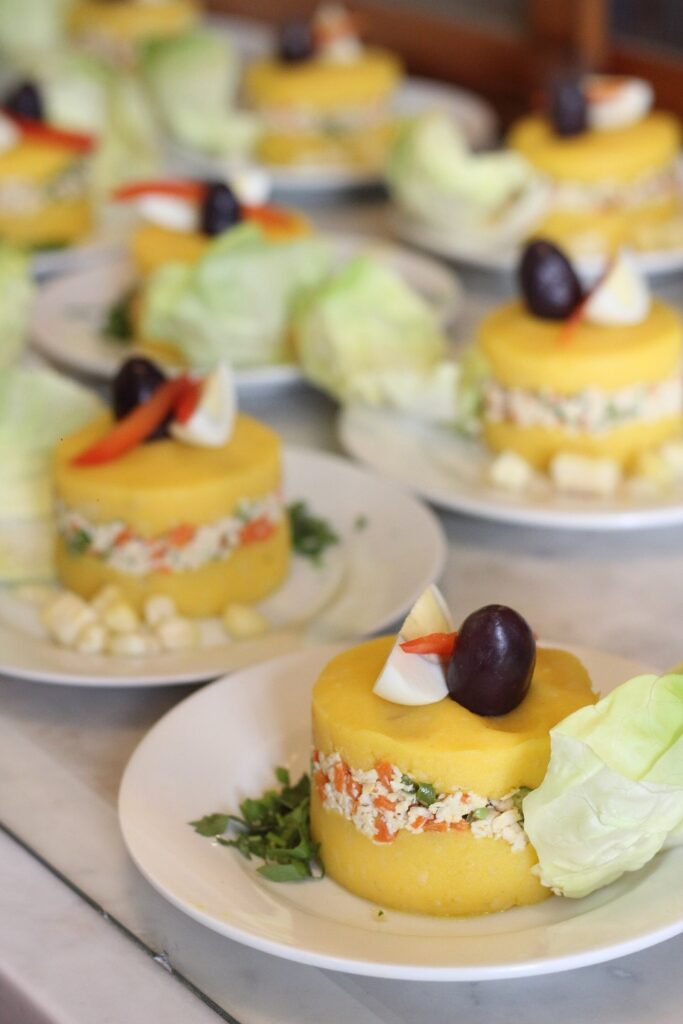
Criollo food is Lima’s everyday home cooking, and it’s what fills the set lunches in neighborhood restaurants. Causa limeña is a chilled potato purée, colored and flavored with yellow chili, layered or stuffed with chicken, seafood, or avocado and tomato. Ají de gallina is shredded chicken in a creamy sauce of hot peppers, milk, bread and spices, and despite the chili it’s usually mild. Tamales are spiced ground corn filled with chicken or pork and steamed in a leaf. Papa a la huancaína, sliced potato under a cheese and yellow-chili sauce, is the standard starter. Look out too for seco, a slow-cooked stew with cilantro, and arroz tapado, a mold of rice filled with seasoned ground meat; Isolina, a criollo tavern in Barranco, is known for both.
African-rooted dishes: anticuchos and more
PROMPERÚ traces several Lima classics to the Afro-Peruvian kitchen. Anticuchos are skewers of beef heart, marinated and grilled over charcoal, usually served with a boiled potato and corn; they taste like a lean, smoky steak, and they’re mostly an evening food. Cau cau is a stew of tripe and potatoes, and tacu tacu is refried beans mixed with rice and pan-fried into a crisp-edged cake, topped or stuffed with meat or seafood. Tacu tacu with a steak and a fried egg on top is one of the most filling plates in the city.
Chifa and Nikkei: Lima’s Asian kitchens
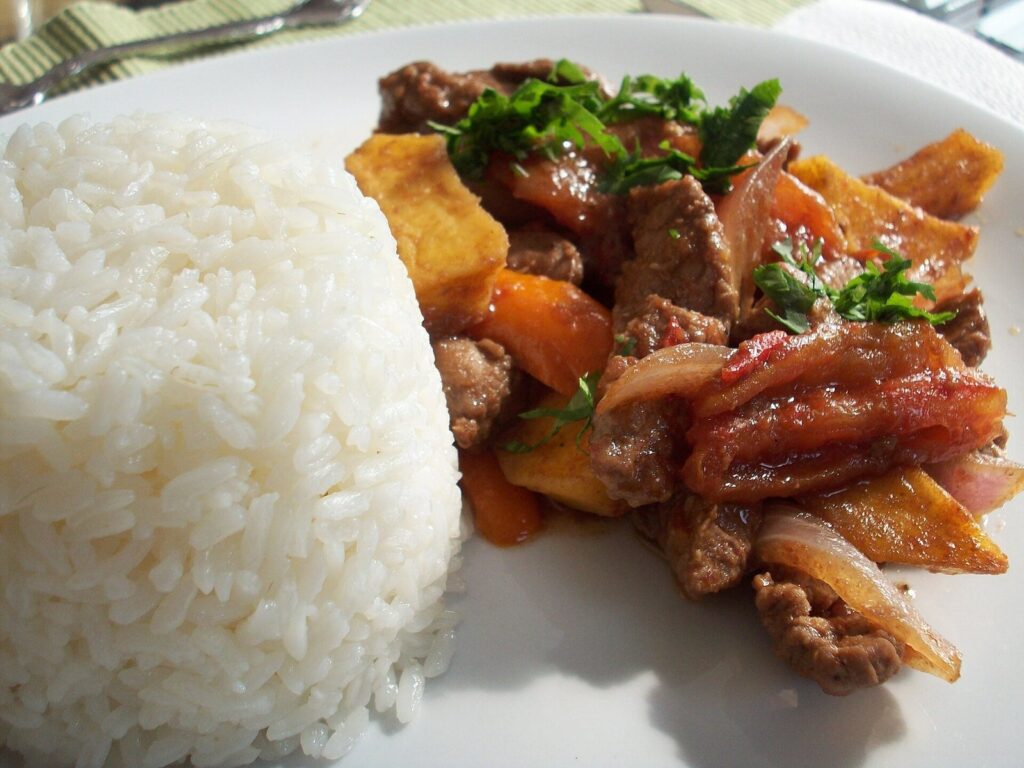
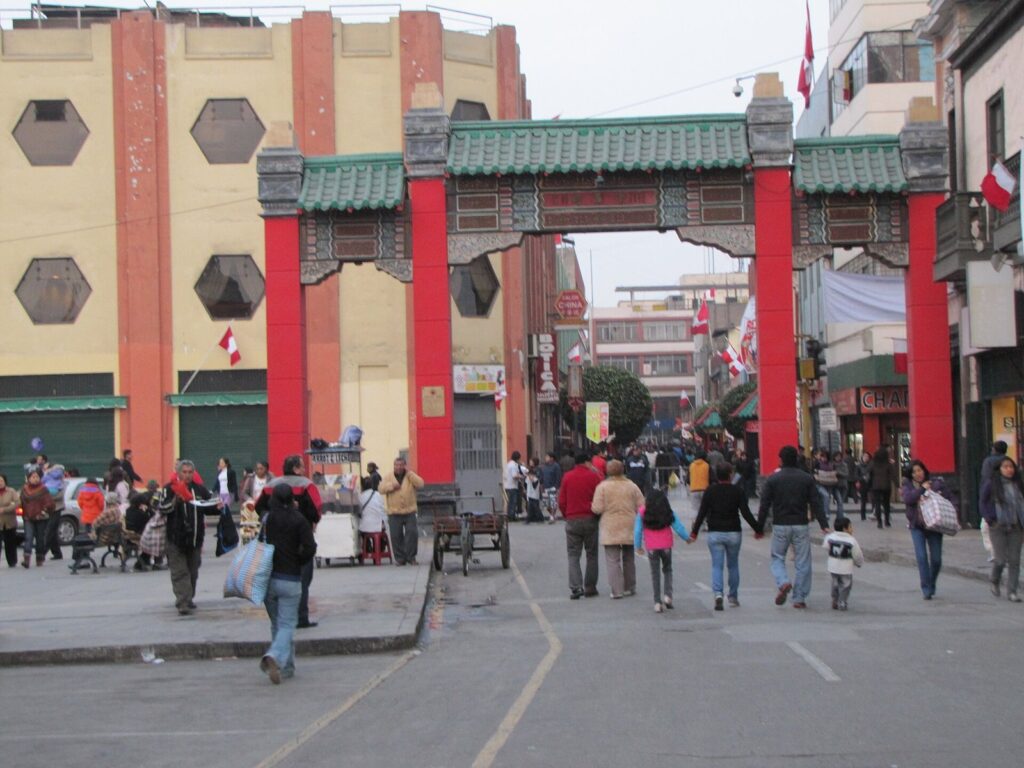
Chinese immigrants arrived in Peru in the 19th century, and their cooking merged with local ingredients into chifa, the word for both the food and the restaurants that serve it. PROMPERÚ files lomo saltado, beef stir-fried with onion, tomato and hot peppers in soy sauce and served with fries and rice, under Chinese influence, along with arroz chaufa, fried rice with soy sauce, chicken, pork, egg and green onion. Lima’s Chinatown, around Calle Capón next to the Mercado Central, is the traditional place to eat chifa, but there’s a chifa in almost every neighborhood.
Japanese immigrants shaped Nikkei cooking, which applies Japanese technique to Peruvian fish and chilies. Tiradito shows the influence, and Maido, the Nikkei restaurant named the World’s Best Restaurant in 2025, took the style to the top of the world rankings.
Sandwiches, chicken and street food
Lima is a sandwich city. Pan con chicharrón, fried pork with sweet potato and salsa criolla, an onion relish, in a crusty roll, is the classic breakfast. The butifarra is a ham sandwich with the same onion relish; El Chinito, a sandwich shop, has been making them since 1960. La Lucha, a sandwich chain, is known for roast pork sandwiches, fries and fresh fruit juices. Pollo a la brasa, charcoal-roasted chicken with fries, salad and a line of sauces, is Lima’s favorite cheap dinner, and the pollerías that serve it are in every district.
Desserts
PROMPERÚ’s list of Lima desserts is a good checklist. Picarones are deep-fried rings of squash and sweet potato dough under a dark syrup, best eaten hot from a stall. Suspiro a la limeña is a very sweet custard of dulce de leche under a cloud of port-flavored meringue. Mazamorra morada is a purple-corn pudding with fruit, often served in the same cup as arroz con leche, rice pudding, as a combinado. Turrón de doña Pepa is layered shortbread soaked in syrup and covered in candy sprinkles.
Drinks
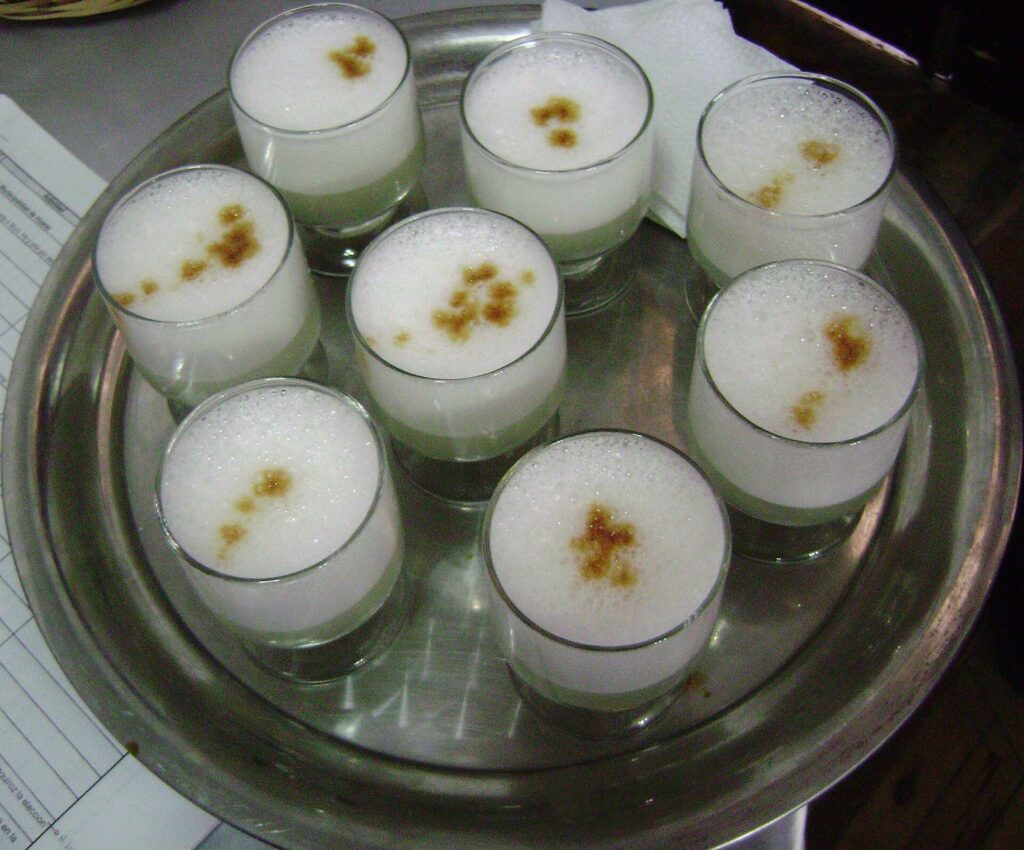
The pisco sour is Peru’s national cocktail: pisco, a grape brandy, shaken with lime juice, sugar syrup and egg white, finished with a few drops of bitters. It’s stronger than it tastes, so pace yourself. Chicha morada, made from purple corn boiled with fruit and spices, is the non-alcoholic drink with lunch, and Inca Kola, the yellow soda, is the other national drink. The chilcano, pisco topped with ginger ale and lime, is the lighter, longer alternative to the sour, and on gray mornings street carts sell emoliente, a hot herbal drink made with toasted barley. Local beer is everywhere. Antigua Taberna Queirolo in Pueblo Libre, a bar-restaurant whose story began in 1880, pours the piscos of the family’s own winery.
Ceviche: How to Order It Right
Ceviche is simple, which is why the details matter. Here’s how a Lima cevichería menu works, and how to get the most out of one lunch.
- Pick the fish. A classic ceviche uses a firm white fish, and menus often name the catch of the day. A ceviche mixto adds shellfish such as octopus, squid and shrimp.
- Choose the heat. The standard version carries a little chili. Ask for it “sin picante” if you’re wary, or with rocoto if you’re not.
- Know the sides. Sweet potato and big-kernel corn come on the plate, and many places put out a bowl of cancha, toasted corn kernels, as soon as you sit down.
- Drink the leche de tigre. The marinade is part of the meal, and some cevicherías serve it in a glass with a little seafood in it.
- Order more than ceviche. A cevichería lunch works best as a shared spread: a ceviche, a tiradito, a causa and a jalea for the table.
- Mind the clock. Go at lunch, not dinner, since many cevicherías close by late afternoon.
Where to go depends on your base. La Mar in Miraflores is the famous name and serves lunch only, Punto Azul is another Miraflores seafood address, and the counters of the Surquillo market and the restaurants of La Punta serve ceviche close to the source.
When to Eat What: Lima’s Meal Clock
Getting the timing right matters as much as choosing the dish. The big meal is lunch, and the city’s rhythm follows from that.
| Time | Meal | What to eat | Where |
|---|---|---|---|
| Morning | Breakfast | Pan con chicharrón, tamales, fresh juice | Sandwich shops, markets, hotel breakfasts |
| About noon to 3 p.m. | Lunch, the main meal | Ceviche and seafood, or the set lunch (menú) | Cevicherías, neighborhood restaurants, market stalls |
| Mid to late afternoon | A snack | Coffee and dessert, picarones | Cafés, street stalls |
| Evening | Dinner | Criollo dishes, chifa, pollo a la brasa, anticuchos, tasting menus | Restaurants, chifas, pollerías, street grills |
| Late | Drinks | Pisco sours, beer | Bars, especially in Barranco and Miraflores |
The one rule to remember: many cevicherías close by late afternoon, and La Mar, Gastón Acurio’s famous cevichería in Miraflores, opens only for lunch. If you land in the evening, ceviche can wait until tomorrow; there’s plenty to eat at night. The set lunch, or menú, runs from about noon to 3 p.m. in neighborhood restaurants, and the best dishes go first.
One seasonal note: October is the month of the Señor de los Milagros, whose processions go through Lima on October 3, 18, 19 and 28 and November 1 in 2026, and it’s when turrón de doña Pepa, the syrup-soaked layer cake, appears in every bakery.
What Does Food Cost in Lima?
Eating in Lima runs from very cheap to very expensive, often within the same block. The fixed points are the set lunch at the bottom and the tasting menus at the top; everything else falls between them and depends on the neighborhood.
| Tier | What you get | Where | Price guide |
|---|---|---|---|
| Set lunch (menú) | A starter, a main and a drink | Neighborhood restaurants and market stalls, noon to about 3 p.m. | Around S/ 15 in 2026 budget guides, sometimes close to S/ 10 outside the tourist districts, more in Miraflores |
| Street food and sandwiches | Anticuchos, picarones, sandwiches | Stalls, sandwich shops | The cheapest way to eat well |
| Pollería or chifa | Chicken with fries, or shared chifa plates | Every district | Good value, especially shared |
| Cevichería or criollo restaurant | À la carte ceviche, causa, main dishes | Miraflores, Barranco, Surquillo, the center | A mid-range meal; seafood costs more |
| Tasting menu | A multi-course menu at a ranked restaurant | Miraflores, Barranco, San Isidro | The most expensive meal of the trip; check the restaurant’s booking page |
We only give a price where a source gives one, because restaurant prices move fast. The practical budget advice: make lunch your big meal, eat a set lunch at least once, and share plates at chifas and cevicherías, where portions are large. Check the bill before paying, since some restaurants add a service charge and others leave the tip to you. And bring a card and some cash in small notes; street stalls and market counters take cash.
Eating Well on a Budget
You don’t need a big budget to eat well in Lima, because some of the best food is also the cheapest. A few habits stretch the money furthest.
- Make lunch the big meal. The set lunch, around S/ 15 in 2026 budget guides, is the best value in the city, and it’s how most Limeños eat on a weekday.
- Share at chifas and cevicherías. Portions are usually big enough for the table, so order fewer dishes than people.
- Eat at a market counter. The Surquillo market and the Mercado Central serve cooked lunches alongside the produce stalls.
- Lean on sandwiches and chicken. A sandwich-shop breakfast and a pollería dinner cost a fraction of a restaurant meal.
- Save the splurge for one meal. One tasting menu or one famous cevichería lunch will teach you more than several mid-priced dinners.
Where to Eat in Lima, Area by Area
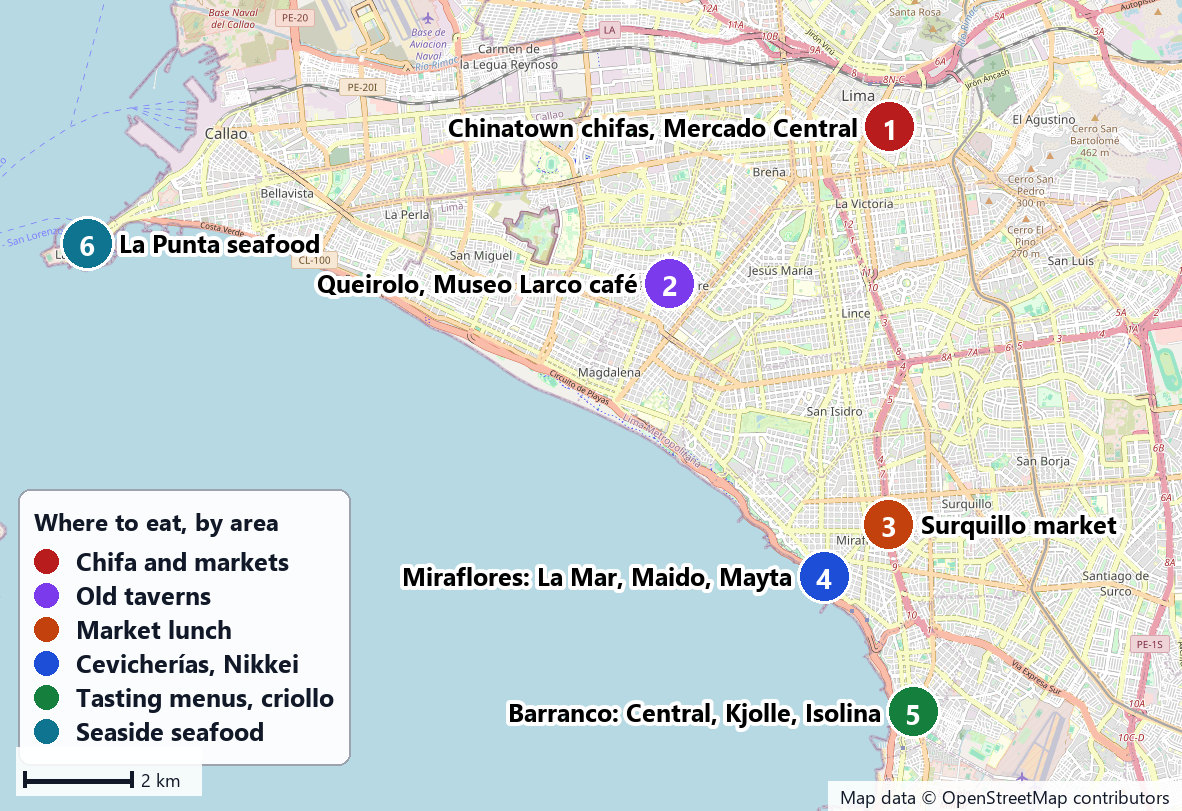
Lima’s food follows its neighborhoods. Chifa belongs to the center, the tasting menus cluster in Miraflores and Barranco, the old taverns are in Pueblo Libre, and the best-value lunches are in the markets. The restaurants named here are ones we confirmed were operating in 2026; we haven’t eaten at them for this guide, and none paid to appear.
Miraflores: cevicherías, Nikkei and a pyramid
Miraflores has the widest choice, and it’s where most visitors are staying. For ceviche, La Mar is the famous name, and it serves lunch only; Punto Azul is another seafood address in the district. At the top end, Maido, at Calle San Martín 399, was named the World’s Best Restaurant in 2025, and Mayta, at Avenida Mariscal La Mar 1285, is another name on the Latin America’s 50 Best list. For dinner with a view of history, the restaurant inside the Huaca Pucllana archaeological site opens from noon to 10 p.m. Monday to Saturday and to 8 p.m. on Sunday, and it asks you to book.
Barranco: tasting menus, criollo taverns and bars
Barranco has the highest concentration of famous kitchens. Central, which topped the World’s 50 Best in 2023, and Kjolle, ranked No. 2 in Latin America’s 50 Best for 2025 and named The Best Restaurant in Peru, share an address at Avenida Pedro de Osma 301. Mérito, No. 4 in the same 2025 list, is also in Barranco. At the other end of the scale, Isolina serves big portions of criollo classics, and the district’s bars make it the natural place for a pisco sour after dinner.
The historic center: chifa, markets and sandwiches
Lima’s Chinatown fills the blocks around Jirón Ucayali and Calle Capón, 1 km on foot from the Plaza Mayor, and a chifa lunch here is the best food stop on a center day. The Mercado Central, the city’s main market, is next door.
Pueblo Libre: an old tavern and a museum café
Pueblo Libre suits a Museo Larco morning. The museum’s café-restaurant sits on its terraces over the gardens, and you can eat there without a museum ticket, though it suggests booking. Antigua Taberna Queirolo, 1.4 km from the museum, began as a general store selling wine in 1880; its listed hours run from 8 a.m. to 10 p.m. early in the week and to midnight on Fridays and Saturdays, with an earlier close on Sundays.
Surquillo: the market lunch
The Mercado N° 1 in Surquillo, just across the Vía Expresa from Miraflores, is where to see Peru’s produce in one place, from fruit you won’t recognize to piles of chilies and potatoes, and its counters serve cheap cooked lunches. It’s an easy add-on to a Miraflores day.
Callao and La Punta: seafood by the sea
Callao is Lima’s port, and La Punta, at the tip of its peninsula, has restaurants along a seafront promenade that PROMPERÚ says is busiest in summer. It pairs naturally with a Palomino Islands boat trip, which returns to the Callao pier in time for a late lunch.
A Three-Day Eating Plan
Here’s how the food fits a three-day visit built on one area a day, with the big meal at lunch.
| Day | Breakfast | Lunch | Dinner |
|---|---|---|---|
| Day 1: the historic center | Pan con chicharrón or tamales near your hotel | Chifa in Chinatown, around Calle Capón | Criollo dishes and a first pisco sour |
| Day 2: Museo Larco and Miraflores | Fresh juice and fruit | The Museo Larco café, or Antigua Taberna Queirolo in Pueblo Libre | The Huaca Pucllana restaurant, booked ahead, or pollo a la brasa |
| Day 3: the markets and Barranco | The Surquillo market | Ceviche at a Miraflores cevichería, before it closes | Barranco: criollo at Isolina, or a tasting menu |
The plan fits the three essentials, ceviche at lunch, chifa and a criollo dinner, into three days, with a market morning and room for one tasting menu. If you only have two days, drop the tasting menu before you drop the ceviche lunch.
Tasting Menus: Are They Worth It?
If food is a big part of why you’re traveling, yes, once. Lima has held the top of the world rankings twice in three years: Central was named the World’s Best Restaurant in 2023 and Maido in 2025, and both now sit outside the ranked list in the organization’s hall of former winners. In Latin America’s 50 Best Restaurants for 2025, Lima had seven restaurants in the top 50, with Kjolle at No. 2, Mérito at No. 4 and Cosme also in the top ten. Shizen, at No. 62, was the highest new entry in the 51 to 100 list, and Clon entered at No. 66.
These meals run to many courses, cost more than anything else on your trip and need booking well ahead. Their menus are built around Peruvian ingredients, and they’re the clearest way to understand why Lima’s food scene became famous. On November 4, 2026, the World’s 50 Best Restaurants ceremony is held in Lima for the first time, so expect the best-known tables to be hard to get around that date.
Skip it if: you’d rather spend the money on three excellent cevichería lunches and a chifa feast, which would teach you as much about how Limeños eat. The middle path: lunch at La Mar or another well-known cevichería, which gets you a famous kitchen at a fraction of the price.
Markets, Street Food and Food Tours
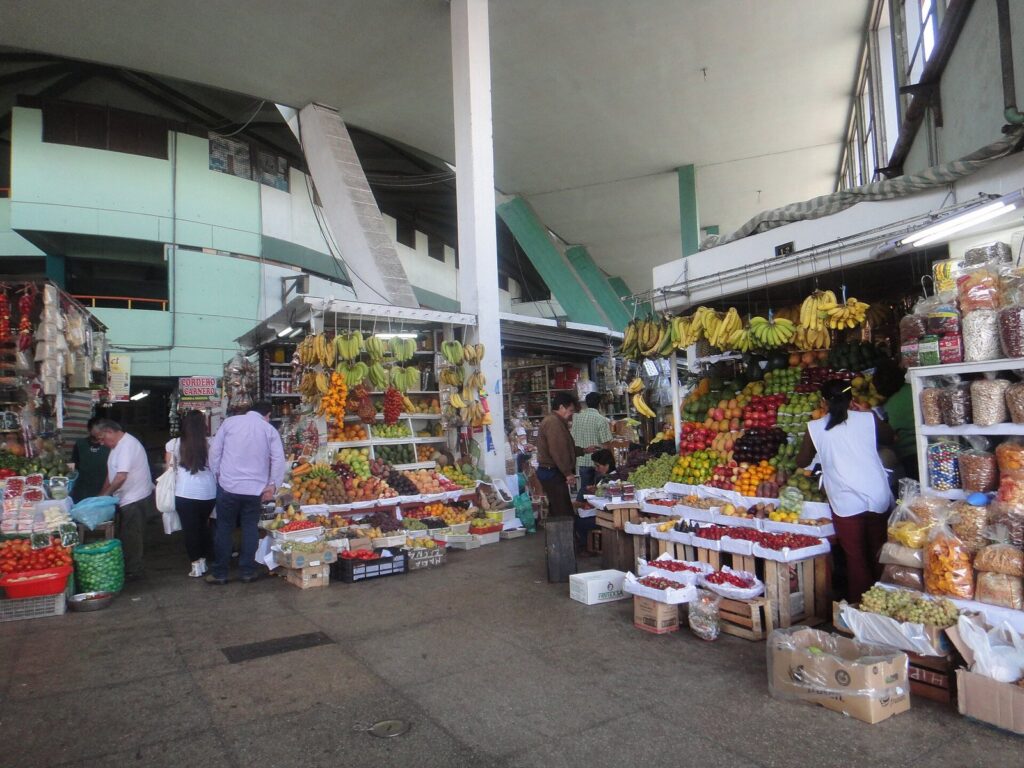
Markets are the cheapest education in Peruvian food: in PROMPERÚ’s 2024 survey, 35% of foreign visitors went to one in Lima. Surquillo’s Mercado N° 1 is the easiest for anyone staying in Miraflores, and the Mercado Central fits a day in the historic center. Go in the morning, buy a fruit you don’t know, and eat lunch at a counter.
Street food is where anticuchos, picarones and sandwiches shine. The usual precautions make sense: choose busy stalls where food is cooked to order in front of you, and go easy on raw dishes from carts. Keep raw fish for cevicherías.
If you only have a day or two, a food tour or a cooking class covers a lot in one go. A food tour moves you through several places and dishes in a few hours; a cooking class, usually built around ceviche and a pisco sour, teaches you to make one or two dishes properly. Pick the tour if you want breadth and the class if you want to take a skill home.
How to Order: Spanish for the Table
Many restaurants that see visitors have an English menu, but a few words of Spanish go a long way at markets, chifas and set-lunch places.
| Spanish | Meaning | When you’ll use it |
|---|---|---|
| La carta | The menu | Anywhere à la carte |
| El menú | The set lunch | Neighborhood restaurants at lunchtime |
| Entrada / segundo | Starter / main course | Choosing within a set lunch |
| Para compartir | To share | Chifas, cevicherías, jaleas |
| Sin picante / poco picante | Not spicy / a little spicy | Anything with rocoto or ají |
| ¿Qué me recomienda? | What do you recommend? | Anywhere, especially markets |
| Para llevar | To take away | Sandwiches, pollo a la brasa |
| La cuenta, por favor | The bill, please | The end of every meal |
Menu words worth knowing
Lima menus use a handful of words that tell you how a dish is cooked. Learn these and most menus open up.
| On the menu | What it means | Example |
|---|---|---|
| Saltado | Stir-fried in a wok, usually with onion, tomato and soy sauce | Lomo saltado |
| A la chorrillana | Cooked with a sauce of onion, tomato and chili | Pescado a la chorrillana |
| Sudado | Fish braised in a broth with onion, tomato and chili | Sudado de pescado |
| A lo macho | Topped with a spicy seafood sauce | Pescado a lo macho |
| A la parmesana | Baked in the shell under parmesan | Conchitas a la parmesana |
| Chicharrón | Deep-fried pieces of pork, or of fish or seafood | Chicharrón de pescado |
| A la brasa | Roasted over charcoal | Pollo a la brasa |
| A la huancaína | Under a sauce of cheese and yellow chili | Papa a la huancaína |
| Chaufa | Chifa-style fried rice | Arroz chaufa |
| Combinado | Two dishes on one plate | Ceviche with chicharrón de pescado |
Two ingredients explain most of the heat. Ají amarillo, the yellow chili, gives color and fruity warmth to causa, ají de gallina and papa a la huancaína, and is rarely fierce. Rocoto, a round red chili often served as a sauce on the side, is properly hot, so taste it before you pour.
Eating With Dietary Needs
Vegetarian: causa filled with avocado, papa a la huancaína, tamales without meat, vegetable chaufa at a chifa, and fruit and juices at the markets. Ask whether soups and rice are cooked with meat stock, and say “sin carne, sin pollo, sin pescado” if you need to be explicit.
Gluten: lomo saltado and arroz chaufa are seasoned with soy sauce, which usually contains wheat, and ají de gallina is thickened with bread. Ceviche, tiradito and grilled meats are safer bets, but ask each time.
Seafood and shellfish allergies: ceviche shops often use the same leche de tigre base across dishes, and many sauces and soups include shellfish, so say it clearly at the start. Dairy: ají de gallina, papa a la huancaína and suspiro all contain milk or cheese.
Food Mistakes to Avoid in Lima
- Ordering ceviche for dinner. Many cevicherías are closed by then, and the ones that aren’t are rarely where Limeños eat it.
- Skipping chifa. It’s as much a part of Lima’s food as ceviche, and it’s easy to miss if you only eat at restaurants aimed at visitors.
- Booking the famous restaurants late. The ranked tasting-menu restaurants need planning, especially around November 4, 2026.
- Treating pisco sours like lemonade. They’re strong, and they go down fast.
- Expecting everything to be fiery. Most dishes are mild; the real heat sits in the rocoto sauce on the side.
- Eating only near your hotel. The markets, Chinatown and the old taverns of Pueblo Libre are where the city’s food makes the most sense.
Fitting Food Into Your Days
Plan each day around lunch. On a historic center day, eat chifa in Chinatown; on a Museo Larco morning, lunch in Pueblo Libre; on a Miraflores afternoon, have ceviche before the cevicherías close, then dinner in Barranco. Our Lima itinerary for first-time visitors builds a lunch slot into every day, and if you’re choosing a base, our guide to where to stay in Lima explains why Barranco suits people who plan to be out in the evening.
Lima Food Guide FAQ
What is Lima’s most famous dish?
Ceviche. PROMPERÚ calls it “a source of national pride,” and it’s the dish most visitors come for: raw white fish cured in lime with onion and chili, served with sweet potato and corn. Eat it at lunch at a proper cevichería, and try the leftover marinade, leche de tigre, before the plate goes back.
Is it safe to eat ceviche in Lima?
At an established cevichería at lunchtime, it’s the city’s signature meal, made with fish bought that morning. The sensible precautions are the same as anywhere with raw fish: eat it where the turnover is high, skip it from street carts, and avoid it if you’re pregnant or have a weakened immune system.
How much should you budget for food per day?
It depends on your tier. A set lunch costs around S/ 15 in 2026 budget guides, sometimes close to S/ 10 outside the tourist districts, and street food and sandwiches cost less than a restaurant meal. Mid-range cevicherías and criollo restaurants cost more, and one tasting menu can cost more than the rest of your food combined.
Do you need reservations for Lima restaurants?
For the ranked tasting-menu restaurants, yes, and as early as their booking systems allow, especially around the World’s 50 Best ceremony in Lima on November 4, 2026. Popular cevicherías fill at lunch on weekends, so arrive early. For chifas, pollerías, markets and most criollo restaurants, you can walk in.
What is chifa?
Chifa is Chinese-Peruvian cooking, and the name of the restaurants that serve it. It grew from 19th-century Chinese immigration and mixes Cantonese technique with Peruvian ingredients. Order arroz chaufa, a sweet-and-sour dish and a soup to share; Lima’s Chinatown, around Calle Capón, is the classic place to eat it.
What should vegetarians eat in Lima?
Causa with avocado, papa a la huancaína, meat-free tamales, vegetable chaufa at a chifa and the markets’ fruit and juices. Many soups and rice dishes use meat stock, so ask. Dedicated vegetarian restaurants are easiest to find in Miraflores and Barranco.
Related Lima Guides
- Lima, Peru Itinerary for First-Time Visitors: day plans that build lunch around each area, with drive times and closing days.
- Where to Stay in Lima, Peru for Tourists: the areas compared, including which ones put dinner on foot.
- Best Things to Do in Lima, Peru for First-Time Visitors: the sights to combine with your meals, with prices and hours.
Sources and How We Checked
Dish descriptions, rankings, addresses, prices and opening details in this guide were checked on September 24, 2026, against the sources listed below. The guide is compiled from them, not from other travel lists, and it claims no first-hand visits or meals.
- PROMPERÚ: Lima’s cuisine on Peru.travel, 2024 profile of foreign tourists visiting Lima, Peru.travel on Callao and La Punta
- Rankings: The World’s 50 Best Restaurants 2026 in Lima, Latin America’s 50 Best Restaurants 2025, 50 Best Discovery on La Mar
- Restaurants: Central, Kjolle, Museo Larco café-restaurant, Restaurante Huaca Pucllana, Antigua Taberna Queirolo listing
- Maps and walking distances: OpenStreetMap routing
Lima Tourism Guide is an independent publication. We are not affiliated with PROMPERÚ, the Municipality of Lima or any attraction listed here, and no one paid to be included.
Photo Credits
- Peruvian ceviche: photo by GORE Callao, Wikimedia Commons (public domain)
- Causa rellena: photo by spersper, Wikimedia Commons (CC BY 2.0)
- Lomo saltado: photo by HugoMon, Wikimedia Commons (CC BY 3.0)
- Map of where to eat: Lima Tourism Guide, drawn from map data © OpenStreetMap contributors (ODbL)
- Calle Capón gateway, Chinatown: photo by David Berkowitz from New York, NY, USA, Wikimedia Commons (CC BY 2.0)
- Mercado N° 1, Surquillo: photo by Miguel Angel Chong, Wikimedia Commons (CC BY 3.0)
- Pisco sours: photo by Dtarazona, Wikimedia Commons (CC BY-SA 3.0)