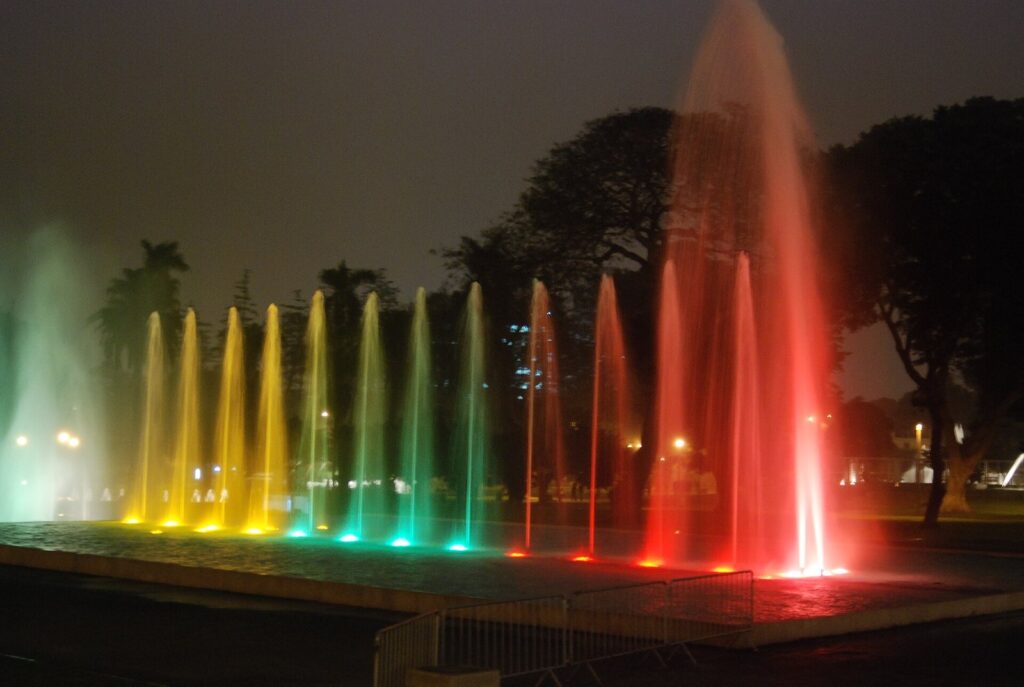
This Lima-with-kids family travel guide starts with the good news: Lima has a zoo and a pre-Inca pyramid in the same park, a whole park of fountains that children can run through, a clifftop full of lawns and playgrounds, and food that picky eaters tend to like. The harder parts are logistical rather than cultural: traffic that turns short distances into long rides, car seats that taxis don’t carry, uneven sidewalks, and not many public bathrooms. Plan around those and Lima is an easy city for a family.
This is for parents with babies, toddlers, school-age kids and teens spending a few days in Lima, usually at the start or end of a Peru trip. The one caveat that matters most: most museums close on Mondays and traffic peaks every evening, so put the far sights in the morning and keep the afternoons close to your base. Prices, hours and rules were checked on September 24, 2026 against the attractions’ own websites, the Ministry of Culture and Peru’s transport and migration authorities.
On this page: At a glance · Is Lima good for kids? · Car seats, taxis and strollers · Where to stay · By age · Things to do · Kids’ prices · Bathrooms and breaks · Timing · Weather · A three-day plan · Health and safety · Documents for minors · FAQ
Lima With Kids at a Glance
“Works best for” is our planning suggestion; prices are the children’s rates each venue publishes.
| Place | Works best for | Stroller | Kids pay | When |
|---|---|---|---|---|
| Parque de las Leyendas (zoo and park) | Toddlers to tweens | Yes, but it’s a long walk: bring one | S/ 10 ages 3 to 12 | Daily 9 a.m. to 5 p.m.; tickets until 4:30 p.m. |
| Magic Water Circuit | All ages | Yes, paved paths | Under-5s free with ID; S/ 7 otherwise | Daily 3 to 10 p.m.; shows at 7:15, 8:15 and 9:10 p.m. |
| The Miraflores malecón and Parque del Amor | All ages | Yes, flat and paved | Free | Any time by day |
| Museo Larco | Ages 6 and up; teens especially | Yes, with ramps | S/ 1 ages 3 to 8; under-3s free | Daily 9 a.m. to 7 p.m. |
| Huaca Pucllana | Ages 5 and up | Hard on the site itself | S/ 7.50 reduced ticket | Wednesday to Monday; closed Tuesdays |
| Palomino Islands boat | Confident kids, 4 and up | No | S/ 130 ages 4 to 12 (Tour Marino) | Daily departures, morning |
| Surf lesson at Makaha | Ages 6 and up | No | Priced on request | Daily 6 a.m. to 6 p.m. |
| Pachacamac | Ages 7 and up | Hard: sandy paths | S/ 1 ages 3 to 17 | Tuesday to Sunday |
| Beaches: La Punta, Agua Dulce | All ages, in summer | Not on the sand | Free | December to April; check the health rating |
Most of these, from toddler days to teen plans and stroller routes, also get their own detailed guide in this series.
Is Lima a Good City for Kids?
Yes, with a few adjustments. The easy parts: the city is at sea level, so there’s no altitude to worry about until you fly on to Cusco. The climate is mild all year, and it almost never rains. The big family attractions are cheap, and children’s tickets are often S/ 1 to S/ 10. Peruvian food suits children better than its reputation for chili suggests: fried rice, sautéed beef with fries and chicken dishes are on almost every menu.
The harder parts are the ones to plan for. Distances are long and traffic is heavy: a 10 km drive averaged about 35 minutes in 2025 and more than 51 in the evening rush, according to TomTom. Taxis and app cars don’t come with car seats. Sidewalks outside the clifftop parks and the pedestrian streets are uneven, and public bathrooms are scarce. And the city’s crime advice applies to families too. None of it is a reason to skip Lima; it’s a reason to base yourself well, group the sights and keep days short.
Getting Around With Kids: Car Seats, Taxis and Strollers
What the law says about car seats
Peru’s Law 30297 and the national traffic regulation require children up to 12 to ride in the back seat: babies under 1 in a rear-facing infant seat, children aged 1 to 3 in a child restraint suited to their size, and children aged 3 to 12 in the back with the seat belt. The catch is that street taxis and app cars in Lima don’t normally carry child seats. The options:
- Bring a light travel car seat or a certified booster if your child needs one; it’s the only way to guarantee one in an app car.
- Book a transfer company or hotel driver and ask for a seat in writing before you fly, especially for the airport run.
- Use the Airport Express Lima bus for the airport run by day if your hotel is near its Miraflores stops: S/ 20 a person, or S/ 15 each for two or more; check the child fare when you book.
Whatever you choose, book rides through an app, a hotel or a phone line rather than hailing a car on the street, as the UK Foreign Office advises. The Lima airport guide covers the arrivals hall step by step, which helps when you’re steering a stroller and bags.
How far the family sights are
| From Parque Kennedy, Miraflores | Distance | Time |
|---|---|---|
| Parque del Amor, on the malecón | 1.0 km on foot | About 13 min |
| Playa Makaha | 1.2 km on foot | About 16 min |
| Huaca Pucllana | 1.9 km on foot | About 28 min |
| Playa Agua Dulce, Chorrillos | 6.1 km by road | About 8 min with empty roads, 21 at the city average |
| Magic Water Circuit | 7.2 km by road | About 25 min; 37 in the evening rush |
| Museo Larco | 9.9 km by road | About 35 min; 51 in the evening rush |
| Parque de las Leyendas | 11.7 km by road | About 41 min; 60 in the evening rush |
| La Punta, Callao | 17.1 km by road | About 19 min with empty roads, 60 at the city average |
Walking figures come from OpenStreetMap routing; drive times apply TomTom’s 2025 average speeds for Lima, so treat them as typical rather than promised. One useful pairing: Museo Larco and Parque de las Leyendas are only 2.5 km apart, about 9 minutes by car.
Strollers, carriers and the Metropolitano
A light, foldable stroller earns its place in Lima. The Miraflores malecón is flat, paved and continuous along the clifftop, the pedestrian streets of the historic center are smooth, and the big museums have ramps: Museo Larco has ramps to its rooms and gardens, and MALI has ramps and lifts. Elsewhere, expect high curbs, broken paving and steps. Archaeological sites such as Huaca Pucllana and Pachacamac, the pebble beaches and the lomas trails are carrier territory. The Metropolitano bus is quick and cheap, but it’s packed at rush hour, which is no place for a stroller; use it mid-morning or mid-afternoon, or take a car. The guide to getting around Lima covers fares, cards and the apps.
Where to Stay in Lima With Kids
For most families, Miraflores is the practical base. You get the clifftop parks and playgrounds on your doorstep, the Airport Express stops, the Metropolitano, and walking distance to Parque Kennedy, Larcomar and Huaca Pucllana. Barranco is walkable and pretty, but its evenings revolve around bars, and it’s the farthest of the usual bases from the zoo, the center and the airport. San Isidro is quieter and more central for museum days, with the olive grove of El Olivar for a morning run-around.
Whatever the district, look for a room near the malecón or a park, blackout curtains for naps, a fridge, and a hotel with a 24-hour front desk that can book a trusted driver. Apartments and aparthotels with kitchens help with small children’s meal times. As a non-resident foreigner showing your passport, you shouldn’t be charged Peru’s IGV sales tax on lodging for stays of up to 60 days, which matters more on a family-sized room; the Lima travel budget guide explains the rule, and where to stay in Lima compares the districts in detail.
The Best Things to Do in Lima With Kids
Parque de las Leyendas: the zoo, gardens and huacas
Lima’s big family day out is a zoo, a botanical garden and an archaeological site in one. The San Miguel park has Amazon, Andean and coastal wildlife areas, a botanical garden, a recreational lagoon and the Maranga archaeological complex, with 54 monuments including the huacas San Miguel, La Palma and Cruz Blanca. It’s large, so bring the stroller, water and snacks, and pace it with the lagoon and the gardens as breaks. The park also runs a second site in Huachipa, east of the city, at the same prices.
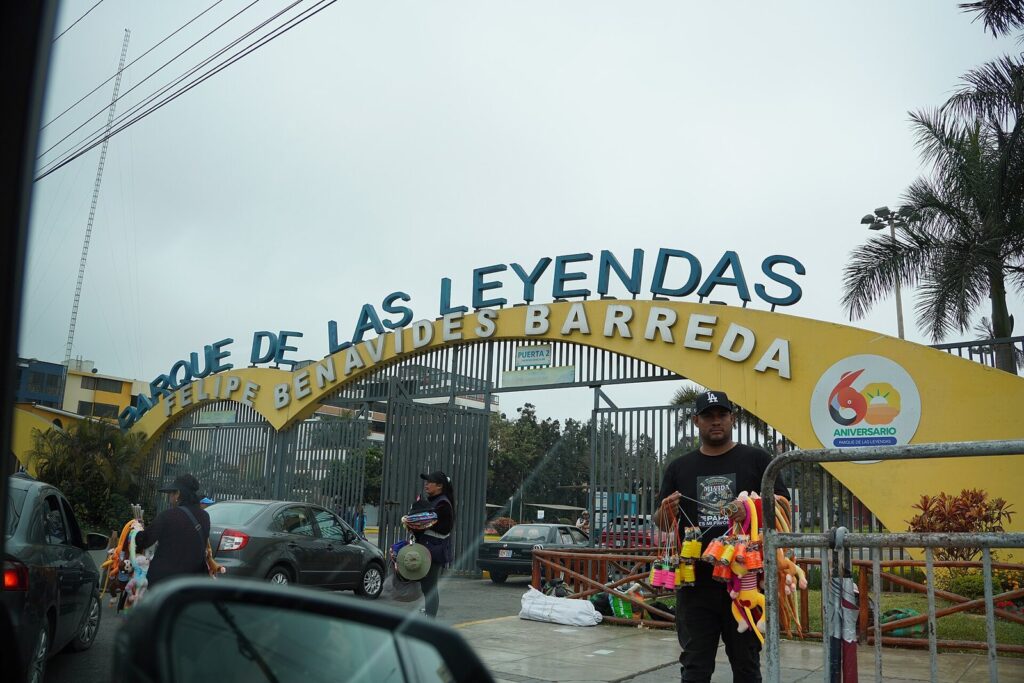
Plan it: Av. Parque de las Leyendas 580, San Miguel, 11.7 km from Parque Kennedy by road. Open every day, public holidays included, 9 a.m. to 5 p.m., with ticket sales until 4:30 p.m. Adults S/ 20, children 3 to 12 S/ 10, seniors 60+ S/ 4; CONADIS card holders enter free with one companion. Pair it with a morning at Museo Larco, 2.5 km away.
The Magic Water Circuit
The Circuito Mágico del Agua fills the Parque de la Reserva with fountains, some of them made to be walked or run through, and after dark a water, light and laser show. Children love it, and it’s cheap. Go at dusk, let the kids get wet in the walk-through fountains before the first show, and stay for one show rather than all three if bedtime matters.
Plan it: Jr. Madre de Dios s/n, Cercado de Lima, 7.2 km from Parque Kennedy. Open daily 3 to 10 p.m.; shows at 7:15, 8:15 and 9:10 p.m. General admission S/ 7; children under 5 free with physical ID; seniors 65+ and CONADIS card holders half price. Tickets are also sold online through SERPAR. Pack a change of clothes and a towel, and book the car home before the last show ends, when everyone leaves at once.
Museo Larco: the museum children remember
Larco is the best museum in Lima for kids old enough to enjoy objects: pots shaped like animals, faces and people, ancient metalwork, and the Visible Storage rooms with shelf after shelf of ceramics. It opens every day, texts are in seven languages including English, and the café on the terraces over the gardens is a good lunch stop that needs no museum ticket. One heads-up for parents: the erotic-pottery gallery is part of the standard visit, in its own room, so steer younger children past it if you’d rather not explain.
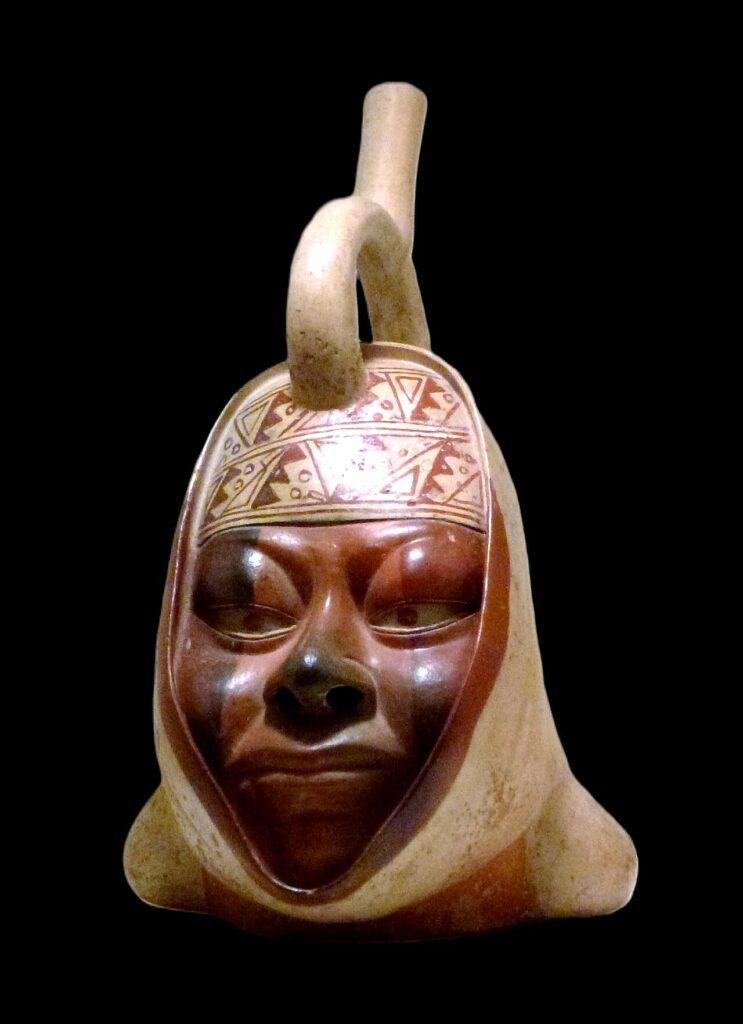
Plan it: Av. Simón Bolívar 1515, Pueblo Libre. Daily 9 a.m. to 7 p.m. Children 3 to 8 S/ 1, ages 9 to 17 S/ 25 (S/ 20 online), under-3s free; adults S/ 50, or S/ 45 online. Child rates apply to children with direct relatives, up to three per family. Ramps reach the exhibition rooms and gardens, wheelchairs are lent free, and there are accessible restrooms with baby-changing facilities on both levels. The guide to Lima’s museums compares the rest if your children are museum fans.
Huaca Pucllana: a pyramid in the middle of Miraflores
An adobe pyramid built between AD 450 and 650, surrounded by apartment blocks, is a strong hook for school-age children. The visit is a guided walk around the site, a room of excavated objects and a small park of native plants and animals, and the site’s Pukllaywasi room is an interactive space designed for children and for visitors with visual impairments. Paths are uneven, so leave the stroller behind or be ready to carry it.
Plan it: Calle General Borgoño, block 8, Miraflores, 1.9 km on foot from Parque Kennedy. Wednesday to Monday, 9 a.m. to 5 p.m.; closed Tuesdays. S/ 15 general and S/ 7.50 reduced by day; evening visits Wednesday to Sunday by reservation. Don’t use the old web address huacapucllanamiraflores.pe, which now leads to a betting site.
The malecón, Parque del Amor and the cats of Parque Kennedy
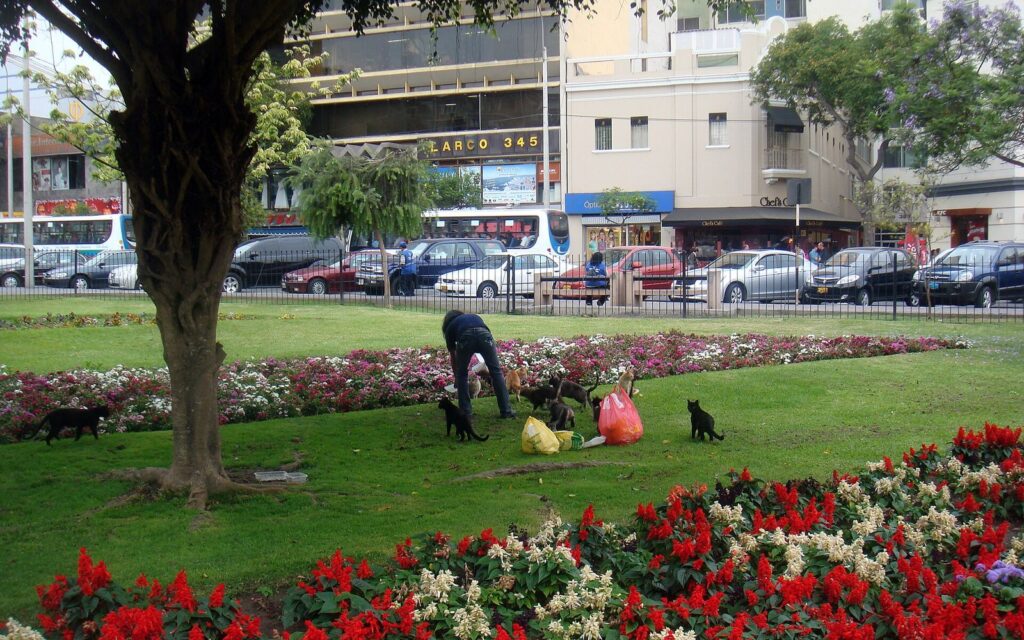
The free, easy half-day is on the clifftop. Walk from Parque Kennedy to Parque del Amor (about 13 minutes) and on along the malecón toward Barranco, with lawns and playgrounds on the way, paragliders launching from the clifftop to watch, and the ocean below. Parque Kennedy itself is home to a colony of more than a hundred cats cared for by volunteers, which can keep a young child busy for longer than any museum.
Sea lions at the Palomino Islands
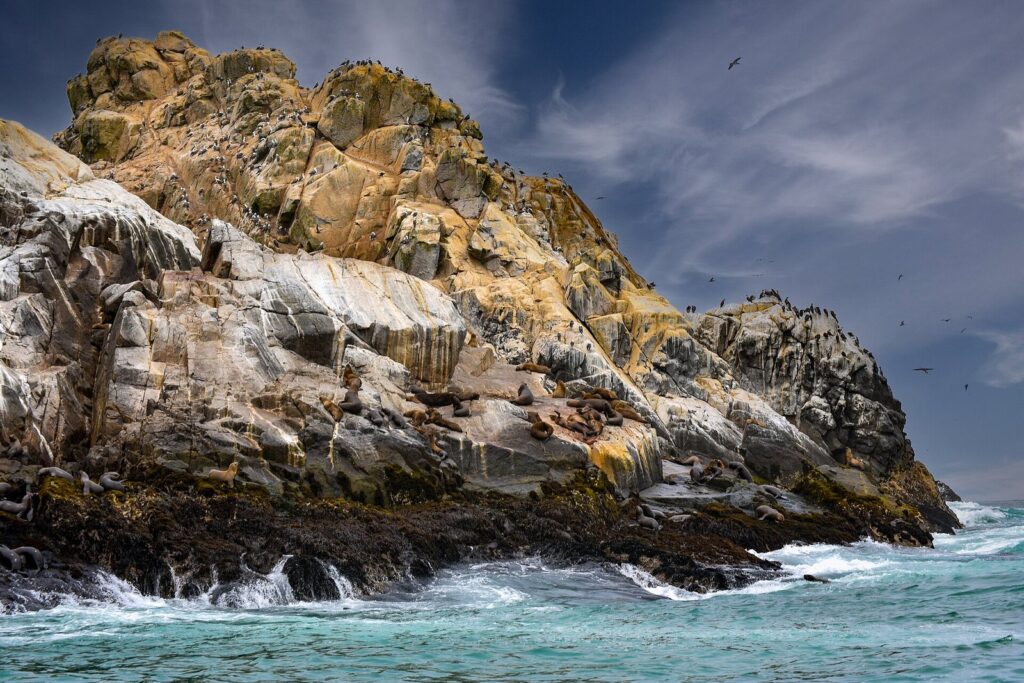
For confident swimmers and adventurous families, the boat trip from Callao to the sea lion colony at the Palomino Islands is the highlight of a Lima stay. SERNANP, which manages the reserve, requires life jackets and allows visits only with authorized operators. Tour Marino charges S/ 130 for children 4 to 12 and S/ 160 for adults, with daily departures from Plaza Grau and about 30 minutes at the islands. The open sea can be rough, so think twice with children who get seasick, and the swim is in cold water in a wetsuit. The day trips from Lima guide compares the operators.
Beaches for families
In summer, from about December to April, the calmest water is at La Punta in Callao and the easiest sand is at Agua Dulce in Chorrillos. Check the beach’s current health rating with DIGESA first, because many Lima beaches were rated unhealthy in summer 2026, and remember that the water is cold, around 17 to 20 °C, and there may be no lifeguard. The Miraflores beaches are pebbly and made for surfing; Makaha’s surf schools teach children from age 6, with the wetsuit and board included. The guide to Lima’s beaches and outdoor activities covers each beach and the latest ratings.
Pachacamac and the lomas for older kids
Children who enjoyed Huaca Pucllana can scale up to Pachacamac, the great pilgrimage sanctuary south of the city, where anyone aged 3 to 17 pays S/ 1 and a site museum explains what you’re looking at; it’s closed on Mondays. In the gray months, from about June to November, the lomas, desert hills that turn green in the mist, make a family walk: Lomas de Lúcumo charges S/ 5.50 for children 3 to 11 and goes out in guided groups booked ahead. Both are half days at least, with sandy paths that suit a carrier better than a stroller.
Food children will actually eat
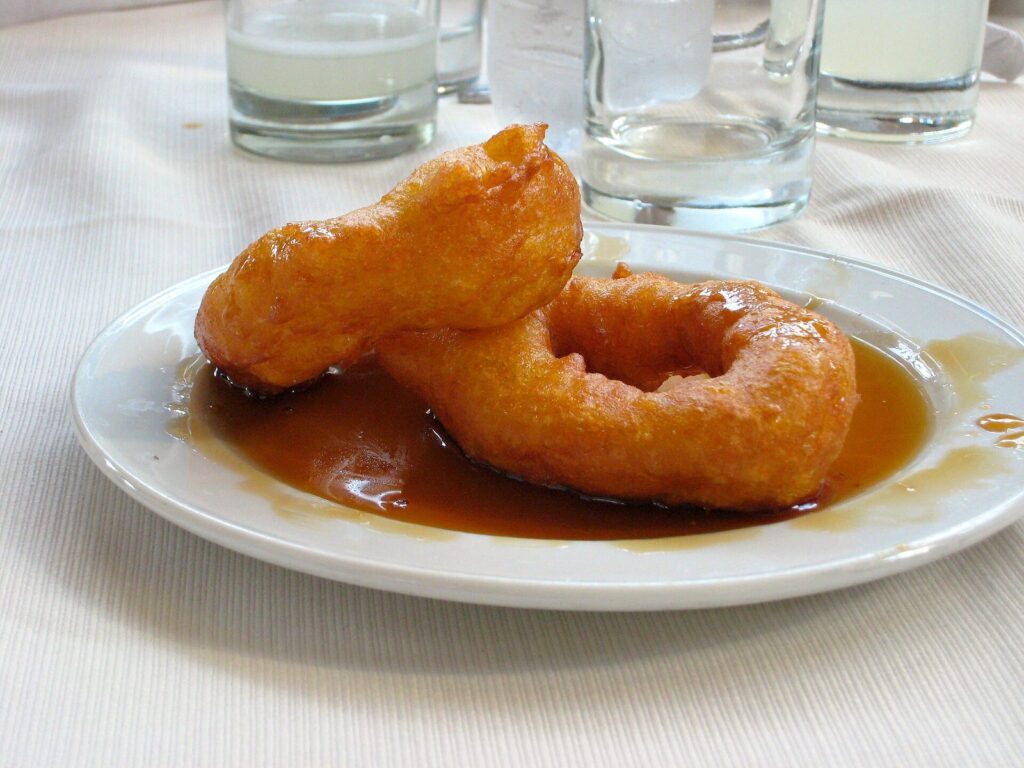
PROMPERÚ’s own list of Lima dishes includes several safe bets: arroz chaufa (fried rice with chicken, pork, egg and green onion), lomo saltado (sautéed beef with tomato, onion and fries), causa (a potato purée filled with chicken or avocado) and tamales. For dessert, picarones, deep-fried rings of dough served with syrup, and mazamorra morada, a purple-corn pudding, rarely fail. To drink: chicha morada, made from purple corn, or the famously yellow Inca Kola. The set lunch, the menú, is the easy family meal: a starter, a main and a drink, served from around noon.
Adventurous eaters can try ceviche at lunchtime, when cevicherías serve it fresh; for young children, a cooked dish is the safer choice. The Lima food guide covers where to find each dish.
Lima by Age: Babies, Toddlers, Kids and Teens
Babies (under 1)
The law is the first thing to plan for: babies must ride in a rear-facing infant seat in the back, so bring one or book a transfer that supplies it. A carrier beats a stroller at the huacas, the beaches and the lomas, while the malecón and the big museums suit a stroller. Plan feeds and changes around places with good facilities, such as Museo Larco’s baby-changing restrooms on both floors, and keep outings short and close to your base.
Toddlers (1 to 3)
Toddlers need a child seat in cars by law, and a light stroller for the long walks at the zoo and along the clifftop. The Magic Water Circuit is free for under-5s with physical ID, so carry your child’s passport; Museo Larco is free for under-3s. The lawns, playgrounds and cats of Parque Kennedy and the clifftop parks are the best free entertainment in the city for this age.
School-age children (4 to 12)
This is Lima’s sweet spot. Parque de las Leyendas charges S/ 10 for ages 3 to 12, Museo Larco S/ 1 up to age 8, and Huaca Pucllana’s Pukllaywasi room is built for children. From 4, Tour Marino’s child rate covers the Palomino boat, and from 6 the Makaha surf schools run children’s classes with a wetsuit and board included.
Teens
Teenagers get the most out of the headline experiences: a surf lesson, the sea lion swim at the Palomino Islands, Museo Larco, the catacombs of San Francisco on a guided visit, and the LUM, the museum of Peru’s 1980 to 2000 conflict, which is free. Two limits to know: Santo Domingo’s tower is for visitors 18 and over only, and paragliding operators set their own minimum ages, so ask when you book.
Kids’ Ticket Prices at Lima’s Attractions
These are the children’s rates the venues publish; many also offer family or student discounts. Age bands differ from place to place, so check them against your children’s ages.
| Attraction | Children pay | Adults pay |
|---|---|---|
| Museo Larco | Under 3 free; 3 to 8 S/ 1; 9 to 17 S/ 25 (S/ 20 online) | S/ 50, or S/ 45 online |
| MALI | Under 8 free | S/ 40 for foreign visitors |
| Museo Pedro de Osma | Up to 10 free | S/ 35 for foreigners |
| MAC Lima | Under 5 free; 5 to 12 S/ 12 | S/ 20 for non-residents |
| Cathedral of Lima | Under 6 free; 6 to 12 S/ 15 for foreigners | S/ 30 for foreigners |
| Santo Domingo convent | Under 5 free; 5 to 16 S/ 2 (the tower is for 18 and over only) | S/ 15 |
| Parque de las Leyendas | 3 to 12 S/ 10 | S/ 20 |
| Magic Water Circuit | Under 5 free with physical ID | S/ 7 |
| Pachacamac | 3 to 17 S/ 1 | S/ 15 |
| Caral | Up to 17 S/ 1 | S/ 11, plus a required guide |
| Palomino Islands (Tour Marino) | 4 to 12 S/ 130 | S/ 160 |
| Lomas de Lúcumo | 3 to 11 S/ 5.50 | S/ 10 from age 12 |
| LUM, MUCEN and the national museum in Pueblo Libre | Free | Free |
Children’s tickets are a small part of a family budget in Lima; rides and rooms are the big lines.
Bathrooms, Baby Changing and Rest Stops
Public toilets are scarce in Lima, so plan your stops around places that have good ones:
- Museums: Museo Larco has accessible restrooms with baby-changing facilities on both floors, and MALI has adapted restrooms. Museum cafés double as rest stops.
- Malls and restaurants: Larcomar on the Miraflores clifftop, the other malls and sit-down restaurants are the practical fallback; order something small if you use a restaurant’s bathroom.
- Parks: Parque Kennedy, the malecón’s clifftop parks, El Olivar in San Isidro and the lagoon at Parque de las Leyendas are the best places for a run-around or a picnic break.
- Always carry: tissues, hand sanitizer, a changing mat and small coins or notes.
Timing a Family Day in Lima
- Mondays: most museums close, including MALI, the Pedro de Osma, MAC Lima, the LUM and Santo Domingo. Museo Larco, Parque de las Leyendas and the Magic Water Circuit open every day, and Huaca Pucllana closes on Tuesdays instead.
- Ticket cut-offs: Parque de las Leyendas stops selling tickets at 4:30 p.m., and Pachacamac at 4:30 p.m. from Tuesday to Saturday and 3:30 p.m. on Sundays.
- Traffic: put the far sights (Larco, the zoo, Pachacamac, Callao) in the morning, and keep late afternoons near your base, when the evening rush adds about half again to drive times.
- Naps and bedtime: the Magic Water Circuit’s first show is at 7:15 p.m., and sunset ranges from about 5:50 p.m. in June to 6:40 p.m. in January, so an early dinner and one show fit most bedtimes.
- Noon downtown: the changing of the guard at the Government Palace takes place at midday, and older children like watching it through the railings from the Plaza Mayor.
Weather: Summer Sun and Gray-Month Alternatives
From about December to April, Lima is sunny, hot and humid, and the sun is strong even when the air feels mild: hats, sunscreen and water bottles every day, and shade at midday. From about June to November, the city sits under a gray sky with light drizzle, the garúa, and it feels cooler than the thermometer suggests, so pack layers and a light jacket for the evenings, especially for the Magic Water Circuit.
Gray days are fine for most family plans: the zoo, the museums and the fountains all work under cloud. For an indoor afternoon, Museo Larco, MUCEN downtown (free, open Tuesday to Sunday) and the malls are the easy options; indoor play centers get their own guide in this series. For month-by-month conditions, see the best time to visit Lima.
A Three-Day Lima Plan for Families
This plan keeps each day in one area and assumes a Miraflores base. Start it on a Wednesday, Thursday or Friday so that no day falls on a Monday or on Huaca Pucllana’s Tuesday closure.
| Day | Morning | Afternoon | Evening |
|---|---|---|---|
| 1: Miraflores | Huaca Pucllana guided visit (1.9 km walk or a short ride) | Lunch, then the malecón to Parque del Amor, the playgrounds and the cats of Parque Kennedy | Sunset on the clifftop in summer; early dinner |
| 2: Pueblo Libre and San Miguel | Museo Larco at 9 a.m., with lunch at its café | Parque de las Leyendas, 2.5 km away; buy tickets by 4:30 p.m. | Back to Miraflores before the evening rush if you can |
| 3: The center and the fountains | The Plaza Mayor and the changing of the guard at noon; MUCEN or San Francisco for older kids | A rest back at the hotel, or a park | The Magic Water Circuit for the 7:15 p.m. show; a booked car home |
With a fourth day, add the Palomino Islands for older children or a summer beach morning at La Punta. For a first-timer’s plan without the family focus, see the Lima itinerary for first-time visitors; a dedicated three-day family itinerary follows in this series.
Health and Safety With Kids in Lima
Health
- Vaccines: the US CDC advises all international travelers to be fully vaccinated against measles and recommends routine vaccines for every traveler; ask your pediatrician about timing for babies and young children well before the trip.
- Mosquitoes: the CDC warns of dengue, chikungunya and Zika in Peru, and recommends repellents with DEET, picaridin or oil of lemon eucalyptus; check the age guidance on the label for young children.
- Food and water: give children bottled or filtered water, and follow the CDC’s advice to choose safe food and drinks.
- Altitude: Lima is at sea level, but Cusco and Machu Picchu aren’t, and the CDC warns about altitude sickness there, so plan the next leg with children in mind.
Safety
The official advice applies to families as it does to everyone. The UK Foreign Office says street crime is a significant problem in Lima, including in Miraflores and Barranco, so keep phones and bags out of reach of passing motorbikes, carry little cash and book every car. For children specifically, put a card in each child’s pocket with your phone number and the hotel’s address, agree on a meeting point in crowded places such as the Magic Water Circuit and the zoo, and hold hands at crossings, because drivers often ignore lights and stop signs. In an emergency, dial 105 for the police and 106 for the SAMU ambulance. The Lima safety guide covers the rest.
Documents When Traveling With Minors
Every child needs a valid passport. Beyond that, Peru’s travel-permit rule is the one to understand. A notarized travel authorization is required when a minor leaves Peru with only one parent, with another adult or alone; no permit is needed when the child travels with both parents. Under article 139 of the migration regulation, the rule applies to Peruvian minors and to foreign minors with legal residence in Peru, and each authorization is valid for 90 days and one trip.
That means it can apply to your family even if you live abroad: a child who also holds Peruvian nationality, for example through a Peruvian parent, is a Peruvian minor. If that’s your situation, or if you’re traveling as a single parent, check the current requirements with Peru’s consulate before you fly, and carry the child’s birth certificate and any custody or consent documents your home country and airline recommend. The Lima travel planning guide covers the rest of the paperwork.
Lima With Kids FAQ
Is Lima safe for kids?
Lima is a big city with a real street-crime problem, which the UK Foreign Office describes as significant, but the risks for families are mostly theft and traffic, and both are manageable. Book every car, keep valuables out of sight, hold hands at crossings, give children a card with your number, and agree a meeting point in crowds.
Is Lima stroller-friendly?
Partly. The Miraflores malecón, the historic center’s pedestrian streets, the big museums and Parque de las Leyendas work well with a stroller, and Museo Larco has ramps throughout. Old sidewalks, curbs, archaeological sites, pebble beaches and the lomas don’t, so bring a light foldable stroller and a carrier.
Do children need car seats in Lima taxis?
Peru’s Law 30297 requires babies under 1 to ride in rear-facing infant seats and children aged 1 to 3 in child seats, with all children up to 12 in the back seat. Taxis and app cars don’t normally carry seats, so bring a travel seat or book a transfer company that provides one in writing.
What is the best thing to do in Lima with kids?
Parque de las Leyendas and the Magic Water Circuit top most families’ lists: the first combines a zoo, gardens and huacas for S/ 10 a child, and the second is an evening of fountains for S/ 7, free for under-5s. For older children, add Museo Larco and the Palomino Islands boat trip to see the sea lions.
Do foreign children need a travel permit to leave Peru?
Peru’s notarized travel permit applies to Peruvian minors and foreign minors with legal residence who leave with one parent, another adult or alone. Visiting foreign children aren’t named in the rule, but a child who also holds Peruvian nationality is covered. If that applies to you, or you’re a single parent, confirm the requirements with Peru’s consulate before you travel.
Are there good beaches for kids near Lima?
In summer, yes: La Punta in Callao has calm water and Agua Dulce in Chorrillos has sand, both close to the city. Check DIGESA’s current health rating before swimming, because many Lima beaches were rated unhealthy in summer 2026. The water is cold, around 17 to 20 °C, and lifeguards may be absent.
How much does a family day out in Lima cost?
Tickets are cheap: a family of two adults and two children aged 3 to 12 pays S/ 60 at Parque de las Leyendas and S/ 28 at the Magic Water Circuit, or S/ 14 if both children are under 5. Rides, meals and your hotel are the bigger costs.
Related Lima Guides
- Best Things to Do in Lima, Peru for First-Time Visitors: the city’s highlights, with the family-friendly ones flagged.
- Best Beaches and Outdoor Activities in Lima, Peru: calm beaches, surf lessons and sea lions.
- Where to Stay in Lima, Peru for Tourists: the best base for a family.
- How to Get Around Lima, Peru as a Tourist: apps, buses and walking with children.
- Is Lima Safe for Tourists? Practical Guide: taxis, crowds and emergency numbers.
- Best Museums and Art Galleries in Lima, Peru: which museums suit which ages.
Sources and How We Checked
Prices, hours, rules and closures were checked on September 24, 2026 against the sources listed below. This guide is compiled from those sources rather than from other travel lists, and it claims no first-hand visits.
- Parque de las Leyendas: official rates; sites; Infobae on 2026 prices and hours
- Circuito Mágico del Agua: official site
- Museums: Museo Larco; MALI; Museo Pedro de Osma; MAC Lima; Cathedral of Lima; Santo Domingo; Huaca Pucllana (Ministry of Culture); Huaca Pucllana (Miraflores); Pachacamac; MUCEN
- Ministry of Transport and Communications: Law 30297 on child restraint systems
- Government of Peru: travel authorization for minors; emergency telephone numbers
- US Centers for Disease Control and Prevention: Peru traveler health; UK Foreign, Commonwealth and Development Office: Peru safety and security
- Outdoors: SERNANP; Tour Marino Isla Palomino; Kño Surf School; DIGESA beach ratings
- Airport and transport: Airport Express Lima; TomTom Traffic Index, Lima 2025
- PROMPERÚ: Peru Travel, Lima and its cuisine; Andina: Parque Kennedy’s cats and the changing of the guard
- Routing: OpenStreetMap data via OSRM; drive times use TomTom’s 2025 averages for Lima
Lima Tourism Guide is an independent publication. We are not affiliated with PROMPERÚ, the Municipality of Lima or any attraction listed here, and no one paid to be included.
Photo Credits
- Magic Water Circuit fountains at night: photo by Martin Garcia from Lima, Peru, Wikimedia Commons (CC BY 2.0)
- Entrance to Parque de las Leyendas, San Miguel: photo by Manuelito2021consupadre, Wikimedia Commons (CC BY-SA 4.0)
- Moche portrait vessel, Museo Larco: photo by Pierre André Leclercq, Wikimedia Commons (public domain)
- Cats in Parque Kennedy, Miraflores: photo by Ricardo Astrauskas, Wikimedia Commons (CC BY-SA 3.0)
- Sea lions, Palomino Islands: photo by Kalitoddtravel, Wikimedia Commons (CC BY-SA 4.0)
- Picarones with syrup: photo by G M, Wikimedia Commons (CC BY 2.0)